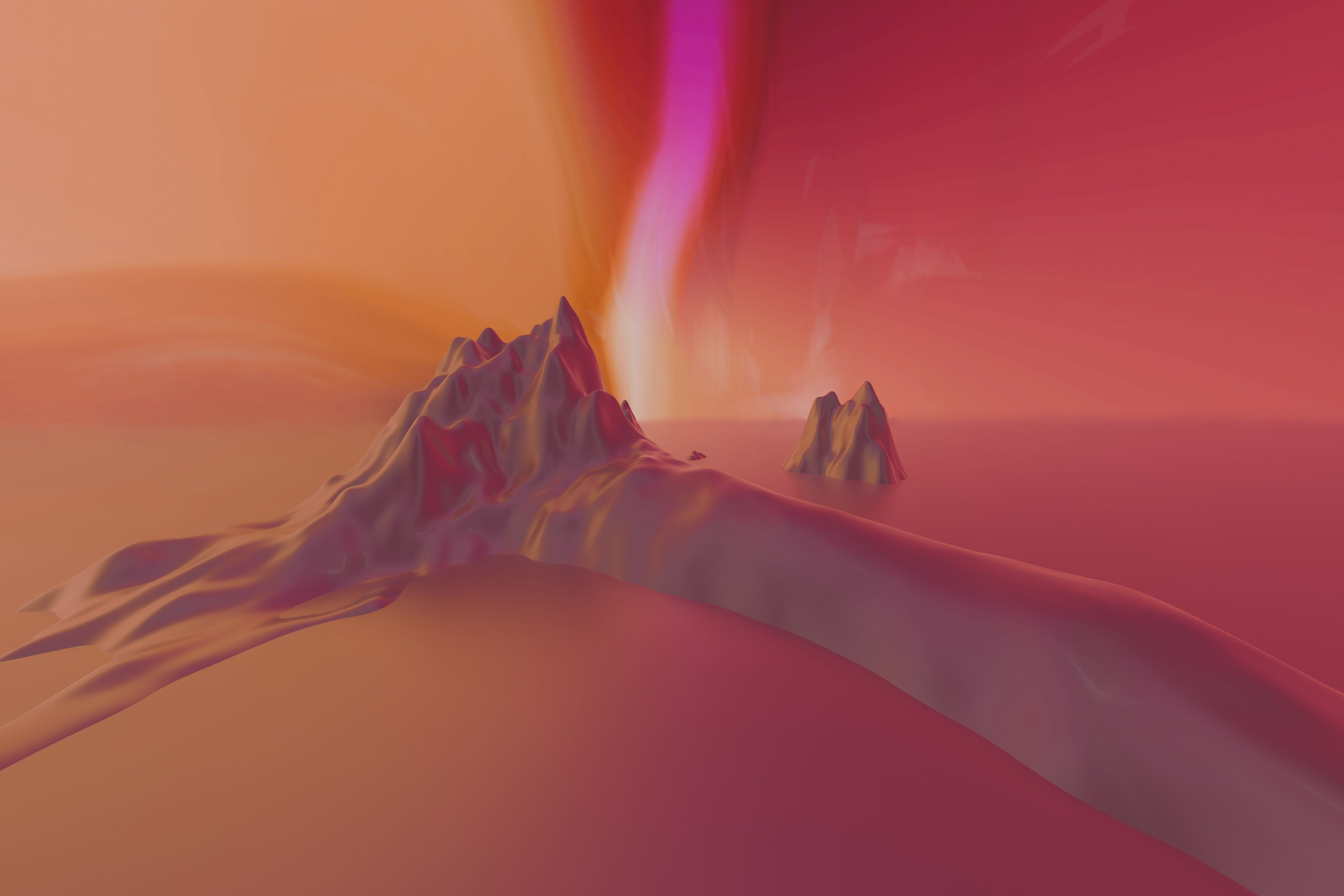
Discover 10 Ethereal Places on Earth that look too incredible to be real, from giant salt mirrors and surreal mountains to glowing caves and otherworldly landscapes that will inspire your next adventure.
So, if you love unusual landscapes, dream destinations, and places that make you feel like you have stepped into another world.
What are 10 places that don’t feel real?
Here are 10 Ethereal Places on Earth worth knowing about.
1. Salar de Uyuni, Bolivia
Imagine standing in the middle of a landscape so flat and bright that the horizon almost disappears.
That is the magic of Salar de Uyuni in Bolivia.
Located high in Bolivia’s Altiplano, Salar de Uyuni is the world’s largest salt flat. The enormous white surface covers roughly 10,000 square kilometers and sits at an elevation of about 3,650 meters. NASA describes it as the world’s largest salt flat, formed from ancient saline lakes that gradually dried up and left behind a thick mineral crust.
What makes it particularly surreal is that the landscape changes dramatically depending on conditions.

During dry periods, the surface develops beautiful geometric patterns. The salt crust can stretch toward the horizon, creating a strange white world that seems almost endless.
After rain, a thin layer of water can cover parts of the salt flat. When the conditions are right, the surface becomes a gigantic natural mirror. The sky reflects on the ground so perfectly that it becomes difficult to tell where the earth ends and the sky begins.
This is one of those places where photography almost doesn’t do the destination justice.
Why Salar de Uyuni feels unreal
The combination of extreme flatness, bright white salt, enormous skies, and reflections creates an optical illusion unlike almost anywhere else.
It is also a dream location for creative photography. Because there are few visual clues to show distance, travelers can create fun forced-perspective photographs that make people appear enormous or tiny.
Travel tip
Do not underestimate the altitude. Salar de Uyuni sits very high above sea level, so give yourself time to adjust if you are arriving from a much lower elevation.
For the most dramatic reflective scenery, travelers generally look toward the rainy season, but conditions can vary. If you want the classic cracked salt patterns and dry landscape, the drier months offer a completely different experience.
Either way, Salar de Uyuni deserves its place among the most Ethereal Places on Earth.
2. Zhangjiajie National Forest Park, China
If you have ever watched a fantasy movie and wondered where the filmmakers found their inspiration, Zhangjiajie might be the kind of place you had in mind.
Located in China’s Hunan Province, Zhangjiajie National Forest Park is famous for its tall sandstone pillars, misty mountains, forests, and dramatic valleys. It forms part of the larger Wulingyuan Scenic Area, which was added to the UNESCO World Heritage List because of its remarkable quartz sandstone landscape.
The landscape is particularly spectacular when clouds or mist gather between the mountains.
Instead of seeing ordinary mountain peaks, you see enormous stone pillars rising vertically from the forest. Some disappear into the clouds, making the entire scene look like an illustration from a fantasy novel.
The Yuanjiajie area is especially famous, with towering sandstone formations surrounded by forests and mist.

What makes Zhangjiajie so special?
It is the combination of vertical cliffs, unusual rock formations, greenery, and changing weather.
On a clear day, you can appreciate the scale of the mountains. On a misty day, the landscape becomes something completely different. The clouds partially hide the peaks and make the mountains appear to float.
That changing atmosphere is part of what makes Zhangjiajie one of the most Ethereal Places on Earth.
Travel tip
Wear comfortable shoes because exploring the park can involve plenty of walking and stairs. Also, do not plan your entire visit around seeing one specific viewpoint.
The weather can change quickly, and some of the most memorable scenes may happen when clouds roll through the mountains.
3. Pamukkale, Türkiye
At first glance, Pamukkale looks like a snowy mountain covered in pools.
But there is no snow.
Pamukkale, which means “cotton castle,” is famous for its brilliant white travertine terraces and warm mineral-rich waters. The terraces were formed over thousands of years as mineral deposits accumulated from thermal springs. UNESCO recognizes the site as part of the Hierapolis-Pamukkale World Heritage property.
The result is extraordinary.
White terraces cascade down the hillside, creating pools filled with pale blue water. When sunlight hits the mineral surfaces, the entire landscape can appear almost glowing.
And there is more to Pamukkale than the famous white terraces.
At the top of the site are the remains of the ancient city of Hierapolis. This means you can combine unusual natural scenery with ancient history during the same visit.

Why it belongs on this list
Many natural attractions are impressive because of their size. Pamukkale is different.
Its beauty comes from shape, color, texture, and contrast.
The brilliant white mineral formations against the blue sky can make you feel as though you have wandered into a giant natural sculpture garden.
Travel tip
Go early if you want a quieter experience and softer light for photography. Also remember that the terraces are delicate, so visitors need to follow local access rules and stay in permitted areas.
It is tempting to focus only on getting the perfect photograph, but taking time to appreciate how the terraces were actually formed makes the visit much more meaningful.
4. Waitomo Glowworm Caves, New Zealand
Some of the most Ethereal Places on Earth are not above ground at all.
Deep beneath New Zealand’s North Island is a cave system famous for tiny creatures that create a spectacular natural light display.
The Waitomo Glowworm Caves are known for thousands of glowworms that illuminate parts of the underground environment. When you are inside a dark cave and look upward, the glowing points can resemble a star-filled night sky.
Except the stars are actually living organisms.
The experience is completely different from visiting a mountain or beach. Instead of looking across a huge landscape, you are surrounded by darkness, rock formations, and tiny points of natural light.
That contrast is what makes it so memorable.

Why it feels like another planet
The cave environment already feels removed from the ordinary world.
Then the lights appear.
The glowing ceiling can create the illusion that you are floating underneath a night sky. It is quiet, dark, and surprisingly peaceful.
Travel tip
Follow the rules given by your guide. Glowworms are sensitive creatures, and the cave environment needs to be protected.
Also, do not expect the experience to feel like an ordinary sightseeing tour. Part of the beauty is slowing down and allowing your eyes to adjust to the darkness.
5. Socotra Island, Yemen
If someone showed you a photograph of Socotra without telling you where it was, you might guess another planet.
Socotra is an island archipelago in the Arabian Sea, belonging to Yemen, and it is famous for its extraordinary biodiversity. UNESCO has highlighted the archipelago’s high level of endemism, meaning many species found there occur nowhere else.

The most recognizable plant is the dragon’s blood tree.
Its strange umbrella-shaped crown makes it look like something designed for a science-fiction movie rather than something growing naturally on Earth.
But the trees are not the only reason Socotra looks unusual.
The island has rugged mountains, limestone formations, caves, beaches, and dry landscapes. Its long geographic isolation helped create an ecosystem unlike most places you have seen before.
Why Socotra is one of the most ethereal destinations
Socotra reminds you just how strange evolution can be when plants and animals develop in relative isolation.
It does not look like a polished resort destination. That is part of its charm.
The landscape feels wild, remote, and almost untouched in many areas.
At the same time, Socotra’s ecosystems face real environmental pressures. Recent UNESCO and IUCN reporting has highlighted concerns surrounding climate change, grazing, forest loss, and the future of endemic dragon’s blood trees.
Travel tip
Socotra requires considerably more planning than many destinations on this list. Conditions, access, security, and local travel arrangements can change, so check current official travel guidance before considering a trip.
And if you do visit, responsible tourism matters enormously. This is not a place where you want to treat the environment like a disposable backdrop for social media.
6. Lençóis Maranhenses National Park, Brazil
Picture a vast desert covered with bright blue freshwater lagoons.
It sounds impossible.
That is exactly what makes Lençóis Maranhenses National Park in northeastern Brazil so fascinating.
The landscape is made up of enormous sand dunes interrupted by temporary and permanent lagoons. UNESCO describes the area as a vast dune field shaped by wind, coastal processes, rivers, and seasonal rainfall. During the rainy season, water collects between the dunes, creating striking lagoons across the sandy landscape.

The result is a destination that looks almost digitally created.
White sand stretches across the horizon while pools of blue and green water appear between the dunes.
The landscape can also change throughout the year. The lagoons depend heavily on rainfall, so timing your trip can make a major difference to what you see.
Why it feels unreal
Most people have a mental picture of what a desert should look like.
Lençóis Maranhenses completely changes that picture.
Instead of endless dry sand, you get sand dunes and freshwater lagoons existing side by side.
It is one of the clearest examples of how nature refuses to follow the rules we expect.
Travel tip
Research seasonal conditions carefully before booking. If seeing the lagoons is your priority, the timing of rainfall matters.
You will also want sun protection, plenty of water, and comfortable clothing. Walking across dunes under strong tropical sunlight can be harder than photographs make it look.
7. Antelope Canyon, Arizona, USA
Antelope Canyon is one of those destinations that can make you wonder whether nature really created the walls.
Located near Page, Arizona, the canyon is famous for its flowing sandstone shapes, narrow passages, and dramatic light.
Instead of the massive open spaces you might expect from an American canyon, Antelope Canyon takes you into a narrow world of curved rock walls.
The sandstone appears to flow.
Walls twist and bend into unusual shapes, while sunlight entering the canyon can create dramatic changes in color and shadow.

Why Antelope Canyon feels like a painting
The shapes are incredibly smooth compared with the rugged cliffs found in many other parts of the Southwest.
Wind and water have worked on the sandstone over long periods, creating the flowing forms visitors see today.
Photography is a huge part of the attraction, but there is something worth remembering: this is not simply a photography studio created by nature.
The canyon is part of the land and cultural landscape of the Navajo Nation.
Travel tip
Access is controlled, and visitors should use authorized tours and follow local rules. Conditions and tour arrangements can vary, so check current information before traveling.
Do not visit only for a few photographs. Take time to notice the textures, sounds, temperature, and changing light around you.
That is where the experience becomes much more than a picture.
8. Cappadocia, Türkiye
Cappadocia looks like someone took a collection of giant stone towers and dropped them into the middle of the Turkish countryside.
The region is famous for its unusual rock formations, valleys, underground settlements, cave dwellings, and historic landscapes.
The formations commonly known as “fairy chimneys” are especially striking.
When you add dozens of colorful hot-air balloons floating above the valleys at sunrise, the whole scene becomes almost dreamlike.
This is one of those travel destinations where waking up early really pays off.
The landscape changes dramatically as the sun rises. Shadows move across the valleys, the rock formations change color, and the balloons slowly fill the sky.

What makes Cappadocia special?
Unlike some destinations on this list, Cappadocia is not simply a natural landscape.
People have lived in and shaped this environment for centuries.
Caves were used as homes, churches, storage spaces, and other structures. The result is a fascinating combination of geology and human history.
Travel tip
If you want to see the balloons, plan your morning carefully because flights depend on weather conditions.
Even if you never take a balloon ride yourself, watching them from a viewpoint at sunrise can be an unforgettable experience.
And don’t spend your entire trip looking upward. Cappadocia’s valleys and historic cave sites are worth exploring on foot too.
9. Lake Hillier, Western Australia
A bright pink lake sounds like something from a children’s story.
Lake Hillier in Western Australia has become famous for exactly that reason.
The lake sits on Middle Island in the Recherche Archipelago and is known for its striking pink appearance.
From above, the contrast between the pink water, surrounding vegetation, and nearby ocean can look almost artificial.
It is one of those scenes that immediately makes you question your eyes.

Why is it pink?
The lake’s unusual color is associated with microorganisms and the lake’s highly saline environment. The exact appearance can vary depending on environmental conditions.
That is an important reminder when looking at spectacular travel photographs: nature is not a static postcard.
Colors can change.
Water levels change.
Weather changes.
Light changes.
The landscape you see in one photograph may look different when you arrive.
Travel tip
Access to Lake Hillier can be restricted or limited depending on conservation and tourism arrangements, so check current local information rather than assuming you can simply walk up to the shoreline.
If direct access is not possible, aerial views can still give you a remarkable perspective of the lake and its surrounding landscape.
10. Svalbard, Norway
For the final destination, let’s leave deserts, caves, and tropical islands behind and head far north.
Svalbard is an Arctic archipelago between mainland Norway and the North Pole.
The scenery here can feel almost empty in the best possible way.
Huge glaciers, snow-covered mountains, dark waters, and long stretches of wilderness create an environment that looks more like a movie set for an Arctic expedition than an ordinary travel destination.
During parts of the year, the region experiences the polar night, when the sun stays below the horizon for an extended period.
At other times, the opposite happens and daylight can continue around the clock.
That alone makes Svalbard feel completely different from everyday life.

Why Svalbard feels otherworldly
There is a certain beauty in landscapes where nature dominates the scene.
You do not see endless rows of buildings or busy roads. Instead, you see mountains, ice, ocean, and enormous skies.
The Arctic light can also transform the scenery. A landscape that looks stark in the middle of the day can become soft and colorful during low-light periods.
Travel tip
This is not a destination where you should improvise everything yourself.
Weather can be unpredictable, conditions can be challenging, and Arctic travel requires proper preparation. Guided excursions are often the sensible choice, especially when venturing away from settlements.
Pack for the conditions rather than the calendar. Arctic weather does not care what month your phone says it is.
What Makes These Ethereal Places on Earth So Special?
After looking at all 10 destinations, you may notice something interesting.
They are not beautiful in exactly the same way.
Salar de Uyuni is surreal because of its endless horizon and mirror effect.
Zhangjiajie is dramatic because of its towering sandstone pillars.
Pamukkale looks almost artificial because of its white mineral terraces.
Waitomo creates a natural underground star field.
Socotra looks strange because of its isolated ecosystems and unusual plants.
Lençóis Maranhenses combines sand dunes with freshwater lagoons.
Antelope Canyon looks sculpted.
Cappadocia combines geological formations with centuries of human history.
Lake Hillier surprises you with its unusual color.
And Svalbard takes you into an Arctic world that feels far removed from ordinary life.
The common thread is that each place challenges what you think a landscape is supposed to look like.
That is what makes the best Ethereal Places on Earth so memorable.
How to Visit These Ethereal Places Responsibly
Beautiful destinations can become victims of their own popularity.
A photograph may make a place look like a fantasy world, but these landscapes are real ecosystems, cultural sites, and communities.
Before visiting, check official tourism information and local regulations. Some places have visitor limits, restricted areas, seasonal closures, or specific requirements for guides.
You should also avoid touching delicate geological formations, leaving trash behind, disturbing wildlife, or entering restricted areas for a better photograph.
This matters particularly in fragile environments such as salt flats, caves, deserts, islands, and Arctic regions.
Another good rule is to spend money locally whenever possible.
Choose local guides, locally owned accommodations, restaurants, and tour companies when they are available and reputable. Your trip can then contribute to the communities that help protect and maintain these remarkable places.
Tips for Planning a Trip to an Ethereal Destination
Check the season
Some of the most unusual landscapes change dramatically depending on the time of year.
Salar de Uyuni can look completely different when dry compared with when water creates its famous mirror effect.
Lençóis Maranhenses depends heavily on seasonal rainfall.
Arctic destinations also change dramatically between seasons.
Research the conditions you actually want to see before booking flights.
Don’t rely only on social media
Instagram and Pinterest are excellent sources of inspiration, but photographs can sometimes create unrealistic expectations.
Lighting, camera angles, weather, editing, and seasonal conditions can all change how a destination looks.
Use social media to discover places, but use reliable travel and official sources to plan your actual visit.
Give yourself enough time
One common travel mistake is trying to see everything too quickly.
If you fly halfway around the world to see one of these places, spending only a few hours there may leave you disappointed.
Allow time for weather delays, transportation, walking, and simply enjoying the destination.
Sometimes the best travel memory happens when you stop rushing.
Respect local communities
Many of these destinations have deep cultural importance.
Do some research before you arrive. Learn basic local etiquette, follow photography rules, and listen to guides.
A destination is more than a pretty background.
It has people, history, traditions, and ecosystems that deserve respect.
Conclusion on the Most Ethereal Places on Earth
There is something incredibly humbling about discovering that the strangest landscapes on Earth are not computer-generated.
They are real.
The salt flats of Bolivia are real. The sandstone pillars of China are real. The white terraces of Türkiye are real. The strange trees of Socotra are real. The blue lagoons between Brazilian dunes are real.
And that may be the best thing about travel.
You can spend hours looking at photographs of these places, but eventually there comes a moment when you want to see them with your own eyes.
The most memorable destinations are often the ones that make you pause and forget about your phone for a few seconds. You simply stand there and take in what is in front of you.
That is the feeling I kept coming back to while researching these Ethereal Places on Earth. They remind us that our planet is far more diverse, strange, and beautiful than we sometimes realize.
So, if your travel bucket list is starting to feel predictable, maybe it is time to look beyond the usual beaches and city breaks.
Choose a destination that makes you say, “That cannot possibly be real.”
Then go see it for yourself.
Frequently Asked Questions About Ethereal Places on Earth
What are the most ethereal places on Earth?
Some of the most striking Ethereal Places on Earth include Salar de Uyuni in Bolivia, Zhangjiajie in China, Pamukkale in Türkiye, Socotra in Yemen, Lençóis Maranhenses in Brazil, Cappadocia in Türkiye, and Svalbard in Norway.
What is the most surreal place on Earth?
There is no single answer because “surreal” is subjective. Salar de Uyuni is one of the strongest examples because its enormous white salt surface can become a giant mirror after rain, making the horizon almost disappear.
Which ethereal destination is best for photography?
Salar de Uyuni, Zhangjiajie, Cappadocia, Antelope Canyon, and Lençóis Maranhenses are excellent choices for dramatic photography. However, lighting and weather can have a huge effect, so the same destination may look completely different from one day to another.
Are these destinations expensive to visit?
It depends on the destination. Some, such as popular areas of Türkiye or the United States, can be easier to visit with different budget levels. More remote destinations such as Socotra or Svalbard can require significantly more planning and specialized transportation.
What is the best time to visit these places?
There is no single best month for all of them. The right time depends on what you want to see. For example, the appearance of Salar de Uyuni and Lençóis Maranhenses changes with seasonal conditions, while Arctic destinations such as Svalbard offer very different experiences depending on the season.
Are these places suitable for first-time international travelers?
Some are, while others require more preparation. Cappadocia, Pamukkale, and Antelope Canyon can be incorporated into more straightforward travel itineraries. Remote destinations such as Socotra and Arctic environments such as Svalbard require more careful planning.
Why do some natural places look fake in photographs?
Extreme landscapes can create optical illusions. Unusual colors, enormous scale, unusual rock formations, reflections, fog, and dramatic lighting can make a real landscape look almost computer-generated.
That is part of what makes these destinations so fascinating.
Which of these places would you visit first?
If I were choosing based purely on how different the experience feels from everyday life, Salar de Uyuni would be near the top of my list. Standing in a landscape where the earth and sky can visually merge sounds like the kind of travel experience that stays with you long after the trip is over.
And that is really what great travel is about: not simply collecting photographs, but finding places that make you see the world differently.
Leave a Reply