Table of Contents
Chicago is one of those cities that can surprise you.
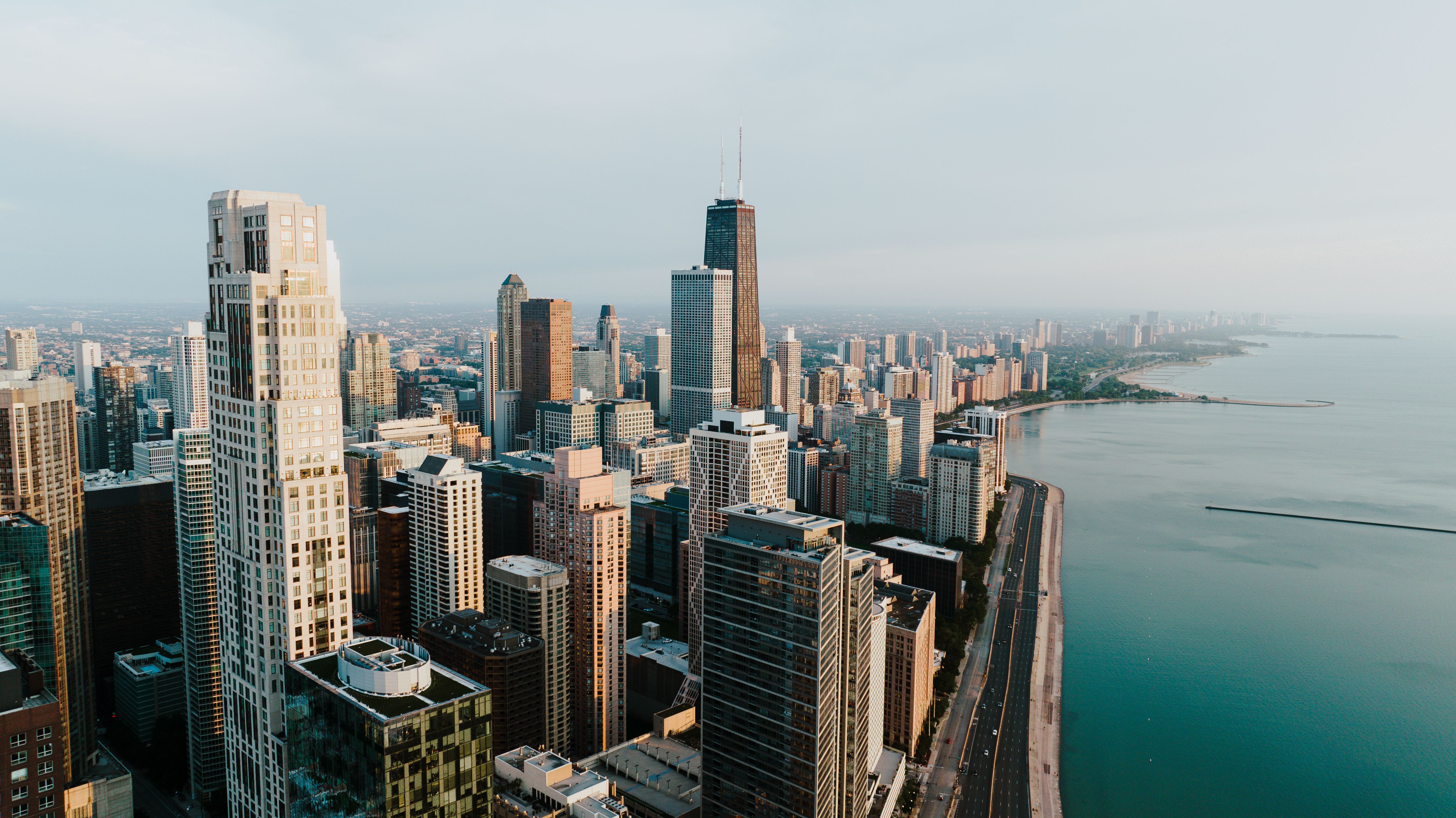
You might arrive expecting impressive skyscrapers and deep-dish pizza, but after a few days, you realize there is much more to the city than its famous skyline. Chicago has beautiful lakefront views, world-class museums, lively neighborhoods, incredible architecture, and enough food to keep you busy for weeks.
If you’re planning your first trip, choosing what to do can feel overwhelming. There are so many attractions that it is easy to fill your itinerary without leaving yourself enough time to actually enjoy the city.
After exploring the city, my advice is simple: don’t try to see everything at once. Start with a few experiences that give you a real feel for Chicago, then leave room to wander, eat, and discover places that weren’t on your original itinerary.
To help you plan, I’ve narrowed down the best things to do in Chicago to five experiences that are especially worthwhile for first-time visitors.
From walking along the lakefront to seeing the city from above, these are the Chicago experiences I’d put at the top of my list.
What Are the Top 5 Things to Do in Chicago?
If you’re short on time, here are the five experiences I’d prioritize:
- Explore Millennium Park and see Cloud Gate
- Take an architecture cruise along the Chicago River
- Visit the Art Institute of Chicago
- Walk or bike the Lakefront Trail
- Enjoy the views from a Chicago observation deck
Each one shows you a different side of the city, and together they make a great introduction to Chicago.
Now let’s take a closer look at each one.
1. Explore Millennium Park and See Cloud Gate
If you’re visiting Chicago for the first time, start downtown at Millennium Park.
This is one of those places that looks familiar even if you’ve never been there. You’ve probably seen photographs of Cloud Gate, the giant reflective sculpture affectionately known as “The Bean.”
Seeing it in person is different.
The polished stainless-steel surface reflects the surrounding skyscrapers, people, and sky, creating a constantly changing picture. It is also one of the easiest places in Chicago to get a memorable travel photo.
But don’t make the mistake of visiting only for Cloud Gate.
Millennium Park is part of a larger downtown area filled with public art, gardens, architecture, and attractions. Give yourself time to walk around rather than arriving, taking one photo, and immediately leaving.

What to See in Millennium Park
Start at Cloud Gate and then explore the rest of the park.
You can see the Crown Fountain, walk through Lurie Garden, and admire the Jay Pritzker Pavilion. During warmer months, the park can feel especially lively, with locals and visitors enjoying the outdoor spaces.
One thing I love about Millennium Park is how quickly you can go from a quiet garden to a dramatic cityscape. You don’t need a complicated itinerary here. Just walk around and take it in.
How Long Should You Spend Here?
Allow around 1 to 2 hours if you’re combining Millennium Park with nearby attractions.
The park is also close to other popular downtown sights, so it works well as the starting point for a full day of sightseeing.
Best Time to Visit Millennium Park
Early morning is a great choice if you want fewer people around Cloud Gate and softer light for photos.
Late afternoon can also be beautiful, especially when the sun begins to soften against the surrounding buildings.
If you’re visiting in summer, don’t be surprised if the area is busy. That’s part of the experience.
Nearby Attractions
After exploring the park, you can easily walk toward:
- The Art Institute of Chicago
- Maggie Daley Park
- Chicago Cultural Center
- The Chicago Riverwalk
- Grant Park
This makes Millennium Park one of the easiest places to include in a first-time Chicago itinerary.
2. Take an Architecture Cruise Along the Chicago River
If you only have time for one tour in Chicago, I’d seriously consider an architecture cruise.
Chicago’s architecture is one of the things that makes the city special, and seeing the buildings from the river gives you a completely different perspective.
From the water, the skyscrapers seem to rise directly around you. You can see historic buildings alongside modern towers while learning how Chicago developed into one of America’s most important architectural cities.
This isn’t just a sightseeing boat ride. A good architecture cruise gives you context that you simply won’t get by walking past the buildings.

Why Chicago Architecture Is Worth Exploring
Chicago played a major role in the development of modern architecture.
The city is associated with influential architects and architectural movements, and its skyline reflects more than a century of experimentation.
You’ll see buildings from different periods, each telling part of the city’s story.
What I particularly enjoy about an architecture cruise is that you can look up without worrying about traffic, crossing streets, or navigating a busy sidewalk. You simply sit back and let the city come to you.
What You’ll See
Depending on the route and tour operator, you may pass landmarks such as:
- Tribune Tower
- Wrigley Building
- Marina City
- Willis Tower
- Merchandise Mart
- Aqua Tower
Your guide will typically explain the history and design features of the buildings along the route.
How Long Does an Architecture Cruise Take?
Most sightseeing architecture cruises take roughly 60 to 90 minutes, although exact schedules vary.
I recommend booking ahead during busy travel periods, particularly if you want a specific departure time.
Where Should You Sit?
If possible, choose a seat with an unobstructed view.
The upper deck can be fantastic on a pleasant day because you have a wider view of the buildings. Just remember that Chicago weather can change quickly, so bring a light layer.
If you’re taking photographs, don’t spend the entire cruise looking through your phone. Some of the best moments are simply watching the skyline pass by.
When Is the Best Time to Take the Cruise?
Late afternoon is a personal favorite because the light can be gorgeous.
However, daytime is excellent if your main goal is architecture photography because you can see details more clearly.
If you’re visiting Chicago in colder months, check seasonal operating schedules before planning your day around a river cruise.
3. Visit the Art Institute of Chicago
You don’t have to be a serious art lover to enjoy the Art Institute of Chicago.
Located near Millennium Park, the museum is one of the city’s cultural highlights and an easy addition to a downtown itinerary.
It has an enormous collection covering centuries of art, so don’t try to see every room.
That’s one of the biggest mistakes first-time visitors make at major museums. You walk in excited, see hundreds of works, and three hours later you’re exhausted and wondering why you can’t remember anything.
Instead, choose a few sections that interest you.

Famous Works to Look For
The Art Institute is home to well-known works by artists including Vincent van Gogh, Georges Seurat, Grant Wood, Claude Monet, and Edward Hopper.
One of the paintings many visitors seek out is Grant Wood’s American Gothic.
But don’t limit yourself to the famous pieces.
Some of my favorite museum experiences come from finding a painting or room that I knew nothing about before arriving. That’s one reason I’d give yourself permission to wander.
How Much Time Do You Need?
Plan for 2 to 3 hours if you want to enjoy the museum without rushing.
If you’re an art enthusiast, you could easily spend much longer.
For families, a shorter visit may be more enjoyable, especially if you’re traveling with younger children.
Tips for Visiting the Art Institute
Check the museum’s current opening hours, exhibitions, ticket information, and visitor policies before you go.
Special exhibitions can change, so don’t assume that everything you read in an older travel guide will still be available.
Comfortable shoes are also a surprisingly important part of your museum strategy. You’ll do much more walking than you expect.
Why It’s One of the Best Things to Do in Chicago
The Art Institute gives you a break from the busy streets while still keeping you right in the center of the city.
It’s also an excellent rainy-day activity.
If Chicago weather decides not to cooperate with your plans, you can spend a few hours inside surrounded by some of the world’s most recognizable works of art.
4. Walk or Bike the Lakefront Trail
Chicago’s relationship with Lake Michigan is one of my favorite things about the city.
The lake gives Chicago a completely different atmosphere from what you might expect from a major American city. One minute you’re surrounded by skyscrapers, and the next you’re looking across a huge stretch of blue water.
The Lakefront Trail is one of the best ways to experience it.
The trail runs for miles along the city’s lakefront, connecting parks, beaches, neighborhoods, and viewpoints.
You don’t need to walk the entire route.
Pick a section that fits your schedule and enjoy it at your own pace.

What Makes the Lakefront Trail Special?
For me, it’s the contrast.
On one side, you have Lake Michigan stretching toward the horizon. On the other, you have Chicago’s skyline rising behind parks and beaches.
It’s a completely different perspective from the downtown streets.
The trail is popular with runners, cyclists, walkers, and locals simply enjoying the outdoors.
Walking vs. Biking
Walking is the easiest option if you want to stop frequently for photographs.
Cycling is better if you want to cover more ground.
If you’re renting a bike, follow the current trail rules and be aware of other cyclists and pedestrians. The trail can become busy, particularly during pleasant weekends.
Where Should You Go?
Popular areas include:
- North Avenue Beach
- Oak Street Beach
- Lincoln Park
- Museum Campus
- South Shore areas
For a first visit, even a short walk near downtown can give you the experience.
Museum Campus is particularly beautiful because you can combine the lakefront with views toward the skyline.
Best Time to Visit
Early morning is peaceful and excellent for photographs.
Sunset can also be spectacular.
If you’re visiting during summer, bring sunscreen, water, and sunglasses. The lakefront can feel much more exposed than the surrounding city streets.
And don’t underestimate the wind.
Chicago’s nickname as the “Windy City” isn’t really about the weather, but you’ll probably understand why the joke exists once you’re standing beside the lake.
5. Enjoy the Views From a Chicago Observation Deck
There’s something satisfying about looking down at a city you’ve just spent hours exploring.
Chicago has several places where you can get spectacular views from above, making an observation deck one of the best things to do in Chicago for first-time visitors.
Two of the most famous options are Skydeck Chicago at Willis Tower and 360 CHICAGO at 875 N. Michigan Avenue.
Both offer impressive views, but the experience is slightly different.

Skydeck Chicago
Skydeck is located at Willis Tower, one of Chicago’s most recognizable skyscrapers.
One of its best-known features is The Ledge, a series of glass balconies extending from the building.
Standing above the city on a glass platform isn’t for everyone, but if you enjoy heights, it’s a memorable experience.
The views stretch across Chicago and, on clear days, well beyond the downtown area.
360 CHICAGO
360 CHICAGO is located at 875 N. Michigan Avenue.
Its position near the lake gives you excellent views of Lake Michigan as well as the city.
The observation area is particularly impressive when you can see the lake and skyline together.
There’s also TILT, an attraction that moves visitors outward from the building for a downward-facing view.
Which One Should You Choose?
If you only want to visit one, consider what kind of view you prefer.
Choose Skydeck if:
- You want the famous glass ledge experience
- You’re interested in Willis Tower
- You want a dramatic downtown perspective
Choose 360 CHICAGO if:
- You want excellent lake views
- You’re exploring the Magnificent Mile
- You like the idea of TILT
You don’t necessarily need to visit both unless observation decks are a major interest.
When Should You Go?
Visibility matters more than almost anything else.
A cloudy or hazy day can significantly reduce the experience, so check the weather forecast before heading up.
Sunset is popular because you may see Chicago in daylight, during golden hour, and after the city lights come on.
The downside is that sunset is also one of the busiest times.
Bonus: Don’t Leave Chicago Without Trying the Food
Technically, food isn’t one of my five main attractions, but I can’t write a Chicago travel guide without mentioning it.
Chicago has a food scene that deserves its own itinerary.
And yes, you should try deep-dish pizza at least once.
But don’t stop there.
Chicago Deep-Dish Pizza
Deep-dish pizza is probably the city’s most famous food.
It is much thicker and heavier than a typical pizza, with a buttery crust and generous layers of cheese and toppings.
My advice? Don’t order too much.
A deep-dish pizza can be surprisingly filling, especially if you’re traveling with a small group.
Italian Beef
Another Chicago classic is the Italian beef sandwich.
It features thinly sliced beef served on a roll, often with sweet peppers or giardiniera.
If you enjoy savory, hearty food, it’s absolutely worth trying.
Chicago-Style Hot Dogs
A Chicago-style hot dog is another local classic.
The traditional combination includes a number of toppings, and the important thing is to experience it the Chicago way rather than trying to redesign it.
Food is one of the easiest ways to make a trip more memorable because it connects you with the city’s local culture.
How to Plan 2 Days in Chicago
If you’re visiting for a weekend, here’s a simple way to organize these attractions without turning your trip into a race.
Day 1: Downtown Chicago
Start your morning at Millennium Park.
Spend some time around Cloud Gate before walking through the surrounding downtown area.
Next, visit the Art Institute of Chicago.
After lunch, walk toward the Chicago River and take an architecture cruise.
Finish your afternoon or evening with dinner downtown.
If the weather is clear and you’re still energized, head to an observation deck around sunset.
Day 2: Lakefront and Neighborhoods
Start your morning with a walk along the Lakefront Trail.
You could explore Museum Campus, visit a museum, or continue toward one of the city’s beaches.
Spend your afternoon exploring a Chicago neighborhood rather than staying downtown all day.
Lincoln Park, Wicker Park, and other neighborhoods offer a different feel from the city’s major tourist attractions.
End your trip with one more Chicago meal.
At that point, you’ll probably have a much better idea of why people fall in love with the city.
Best Time to Visit Chicago
Chicago can be enjoyable throughout the year, but each season feels very different.
Spring
Spring brings warmer temperatures and more opportunities to enjoy the parks and lakefront.
The weather can still be unpredictable, so layers are useful.
Summer
Summer is arguably the easiest season for first-time visitors.
You can comfortably explore the lakefront, parks, outdoor attractions, and neighborhoods.
The trade-off is larger crowds and higher demand for popular attractions.
Fall
Fall is a wonderful time for walking around the city.
The weather is often comfortable, and the changing foliage adds another layer of beauty to parks and neighborhoods.
Winter
Chicago winters can be seriously cold.
However, if you don’t mind the temperatures, winter can also mean fewer crowds and plenty of indoor attractions.
Museums, restaurants, theaters, and shopping give you lots of ways to stay busy.
Getting Around Chicago
You don’t need a car to enjoy the main attractions.
Chicago’s public transportation system makes it relatively easy to move around the city, while walking is often the best option within downtown.
For example, Millennium Park, the Art Institute, the Chicago Riverwalk, and several other attractions are close enough to combine in one day.
Use public transportation or rideshare services when distances are longer, and allow extra time during busy periods.
If you’re renting a car, remember that parking downtown can be expensive and traffic can slow you down.
For many visitors, skipping the rental car makes the trip simpler.
Chicago Travel Tips for First-Time Visitors
Before you go, keep these practical tips in mind.
Don’t Pack Too Much Into One Day
Chicago looks manageable on a map, but sightseeing involves more walking than you might expect.
Give yourself time to sit down, grab coffee, eat lunch, and enjoy the surroundings.
Check Attraction Hours Before You Visit
Museums, observation decks, tours, and other attractions can have seasonal schedules or special closures.
Always check official websites for current information before your trip.
Book Popular Experiences Ahead
Architecture cruises and observation decks can become busy, especially during summer and holiday periods.
Booking ahead can make your itinerary much easier.
Wear Comfortable Shoes
This sounds obvious, but it matters.
You’ll probably walk more than you planned.
Check the Weather
Chicago weather can change quickly.
A beautiful morning doesn’t necessarily guarantee a warm afternoon, particularly near the lake.
Explore Beyond Downtown
Downtown Chicago is impressive, but the neighborhoods are where you start to see another side of the city.
Leave at least a little time for exploring beyond the main tourist attractions.
Frequently Asked Questions About the Best Things to Do in Chicago
What is the number one attraction in Chicago?
For many first-time visitors, Millennium Park and Cloud Gate are among the top attractions because they’re centrally located and iconic.
However, the best attraction depends on your interests. Architecture lovers may prefer a river cruise, while art fans may want to spend several hours at the Art Institute.
How many days do you need in Chicago?
I’d recommend at least two to three days for a first visit.
Two days is enough to see several major attractions, while three days gives you more time to explore neighborhoods and enjoy the city without rushing.
Is Chicago expensive to visit?
Chicago can be expensive, particularly for hotels and popular attractions, but you can also build a budget-friendly trip.
Walking around Millennium Park, exploring the lakefront, and enjoying many of the city’s public spaces can cost little or nothing.
Is Chicago good for a weekend trip?
Absolutely.
A weekend gives you enough time to experience several of the best things to do in Chicago, especially if you stay somewhere central and plan your days by neighborhood.
What food should I try in Chicago?
Start with deep-dish pizza, Italian beef, and a Chicago-style hot dog.
But don’t be afraid to explore the city’s broader restaurant scene, which is much more diverse than its famous classics suggest.
Conclusion: The Best Things to Do in Chicago
Chicago is a city that’s easy to underestimate.
At first, you notice the skyscrapers. Then you start paying attention to the architecture, the lake, the neighborhoods, the food, and the small details that make the city feel distinctly Chicago.
If you’re planning your first trip, don’t worry about checking every attraction off a list.
Start with Millennium Park and Cloud Gate. Take an architecture cruise. Spend time at the Art Institute. Walk along the lakefront. Then head up to an observation deck and see the city from above.
Those five experiences give you a great introduction to what makes Chicago special.
And leave yourself some unscheduled time.
Some of my favorite travel memories aren’t the attractions I carefully planned. They’re the unexpected moments in between — finding a great place to eat after a long walk, stumbling across an interesting building, or simply standing by the lake and watching the city move around me.
That’s the Chicago experience I’d want you to have.
Not just a trip where you see the sights, but one where you actually get a feel for the city.
If you’re searching for the best things to do in Chicago, these five experiences are a great place to start.
Leave a Reply