
How to Spend 3 Days in Nakuru, Kenya: Perfect Itinerary
Planning a trip to Nakuru? Discover how to spend 3 days exploring Lake Nakuru National Park, Menengai Crater, beautiful Rift Valley lakes and more.
How to Spend 3 Days in Nakuru, Kenya
Nakuru is one of those destinations in Kenya that deserves more attention from travelers. Located in the beautiful Great Rift Valley, this town offers an interesting combination of wildlife, beautiful landscapes, fascinating history and relaxing outdoor experiences.
From watching wildlife at Lake Nakuru National Park to enjoying breathtaking views from Menengai Crater, there is plenty to keep you busy during your visit.
The best part is that you don’t need a long holiday to experience some of Nakuru’s highlights. Three days are enough to explore the major attractions, enjoy delicious local food and discover some of the surrounding countryside without feeling like you are constantly rushing.
If you’re planning a weekend getaway, a short road trip from Nairobi or a longer Kenyan holiday, this 3-day Nakuru itinerary will help you organize your time.
I’ll walk you through what to do each day, where to eat, how to get around and some practical tips to make your trip enjoyable.
How to Spend 3 Days in Nakuru: Quick Itinerary
If you don’t have time to read the entire guide, here’s a quick overview of how I’d organize three days in Nakuru.
| Day | Activities |
|---|---|
| Day 1 | Lake Nakuru National Park, wildlife safari and Baboon Cliff |
| Day 2 | Menengai Crater, Hyrax Hill Museum and Nakuru town |
| Day 3 | Lake Elementaita, Kariandusi Museum and Lord Egerton Castle |
This itinerary combines Nakuru’s famous attractions with a few less-explored places around the county.
I’d recommend starting your mornings early, especially on safari day, so you have enough time to enjoy each destination.
My 3-Day Nakuru Itinerary
Day 1: Explore Lake Nakuru National Park and See Wildlife
Morning: Visit Lake Nakuru National Park
Start your first morning with one of the biggest highlights of the region: Lake Nakuru National Park.
This is one of Kenya’s most rewarding wildlife destinations, particularly if you enjoy seeing animals in their natural environment.
The park is famous for its rhinos, Rothschild’s giraffes, buffaloes, zebras and numerous bird species. You may also encounter lions, leopards and other wildlife during your game drive.
One of the things I particularly recommend is taking your time during the safari instead of rushing from one section of the park to another.
Bring your camera because the scenery is beautiful, especially where the lake meets the surrounding woodland and hills.
A morning game drive is a great way to experience the park because animals are often easier to spot during the cooler hours.
My tip: Bring binoculars if you enjoy birdwatching. Lake Nakuru is an important bird habitat, although flamingo numbers can change depending on water and environmental conditions.

Visit Baboon Cliff Viewpoint
While exploring Lake Nakuru National Park, make time to stop at Baboon Cliff.
This is one of the most beautiful viewpoints in the park. From here, you can enjoy panoramic views of Lake Nakuru and the surrounding landscape.
It’s also a fantastic place to take photographs, especially when the weather is clear.
You can spend some time enjoying the scenery before continuing with your game drive.
Remember to follow park rules and keep a safe distance from wildlife, particularly baboons.
Looking for a Hotel? Here are My Top Picks
Midland Hotel – Click here for rates and availability
Afternoon: Enjoy a Relaxing Lunch
After spending your morning exploring the national park, take a break for lunch.
You can enjoy a meal at one of the lodges or restaurants around the park, depending on your budget and accommodation arrangements.
If you’re looking for a special experience, consider booking lunch at a lodge with beautiful views of the surrounding landscape.
Alternatively, return to Nakuru town and explore some of its local restaurants.
Evening: Relax and Enjoy Nakuru Town
After a busy day of wildlife viewing, spend your evening relaxing.
You can explore Nakuru town, visit a local café or enjoy dinner at a restaurant.
Nakuru has a relaxed atmosphere compared with the busy streets of Nairobi, making it a nice place to slow down after a day of sightseeing.
I’d recommend getting an early night because there’s more exploring to do tomorrow.
Day 2: Menengai Crater, Hyrax Hill and Nakuru Town

Morning: Discover Menengai Crater
Start your second day with a visit to Menengai Crater.
Located just north of Nakuru town, Menengai is a massive volcanic caldera offering some of the most impressive views in the Great Rift Valley.
The crater is particularly popular with hikers, photographers and nature lovers.
When you reach the viewpoint, you’ll enjoy sweeping views of the enormous volcanic landscape, the green crater interior and, on clear days, Nakuru town.
You can choose to spend your morning enjoying the viewpoints or arrange a guided hike if you want a more adventurous experience.
If you enjoy photography, this is one of the best places to capture Nakuru’s natural beauty.
Travel tip: Wear comfortable walking shoes, carry drinking water and check access arrangements before visiting. Some trails are steep, and the terrain can be uneven.
Explore Menengai Forest
If you have additional time, explore parts of Menengai Forest.
The forest offers a peaceful outdoor environment where you can enjoy nature, birdwatching and walking.
You can also ask about guided experiences if you’re interested in learning more about the area’s geology and natural history.
I recommend visiting with someone familiar with the area if you plan to explore beyond the main viewpoints.
Afternoon: Visit Hyrax Hill Museum

After your morning adventure, head to Hyrax Hill Museum.
This historical attraction is located a short distance from Nakuru’s town centre and is a wonderful place to learn about Kenya’s archaeological history.
The museum is particularly interesting because of its prehistoric discoveries and evidence of earlier human settlement in the Rift Valley.
You can explore the museum displays, learn about archaeological discoveries and walk around the surrounding historical site.
It’s a great attraction for travelers who enjoy history and educational experiences.
I also think it’s a good addition to your itinerary because it gives you something different from the wildlife and outdoor activities Nakuru is famous for.
Explore Nakuru Town
After visiting the museum, spend some time exploring Nakuru town.
You can browse local shops, visit markets and experience everyday life in one of Kenya’s important urban centres.
This is also a good opportunity to sample local Kenyan food.
Some dishes worth trying include:
- Nyama choma served with kachumbari.
- Ugali and sukuma wiki.
- Chapati and beans.
- Pilau.
- Githeri.
- Kenyan tea served with mandazi.
If you enjoy shopping for souvenirs, look for locally made crafts and other Kenyan products.

Evening: Enjoy Dinner in Nakuru
Finish your second day with a relaxed dinner.
Nakuru has restaurants offering everything from traditional Kenyan meals to international dishes.
Choose somewhere comfortable where you can enjoy a good meal before heading back to your accommodation.
Day 3: Discover Lake Elementaita, Kariandusi and Lord Egerton Castle

Morning: Visit Lake Elementaita
For your final day, take a short trip outside Nakuru town to explore Lake Elementaita.
This beautiful alkaline lake is located in the Great Rift Valley and is known for its scenic surroundings and impressive birdlife.
The lake forms part of the Kenya Lake System, a UNESCO World Heritage property that also includes Lake Nakuru and Lake Bogoria.
It’s a wonderful destination for nature lovers, photographers and travelers who enjoy peaceful landscapes.
You can spend your morning enjoying the lake views, taking photographs and observing the birds.
Depending on the season and environmental conditions, you may spot flamingos, pelicans and other waterbirds.
Unlike a busy town attraction, Lake Elementaita offers a quieter experience where you can simply enjoy the scenery.

Visit Kariandusi Museum
While you’re around Lake Elementaita, make time for Kariandusi Museum.
This archaeological site is particularly interesting because of its importance in understanding early human history in the Rift Valley.
The museum is associated with early Stone Age discoveries, including stone tools and evidence of prehistoric human activity.
You can explore the museum grounds, learn about the archaeological discoveries and understand why this part of Kenya is important to researchers studying human history.
It’s a worthwhile stop for anyone interested in culture, archaeology and history.
Afternoon: Explore Lord Egerton Castle
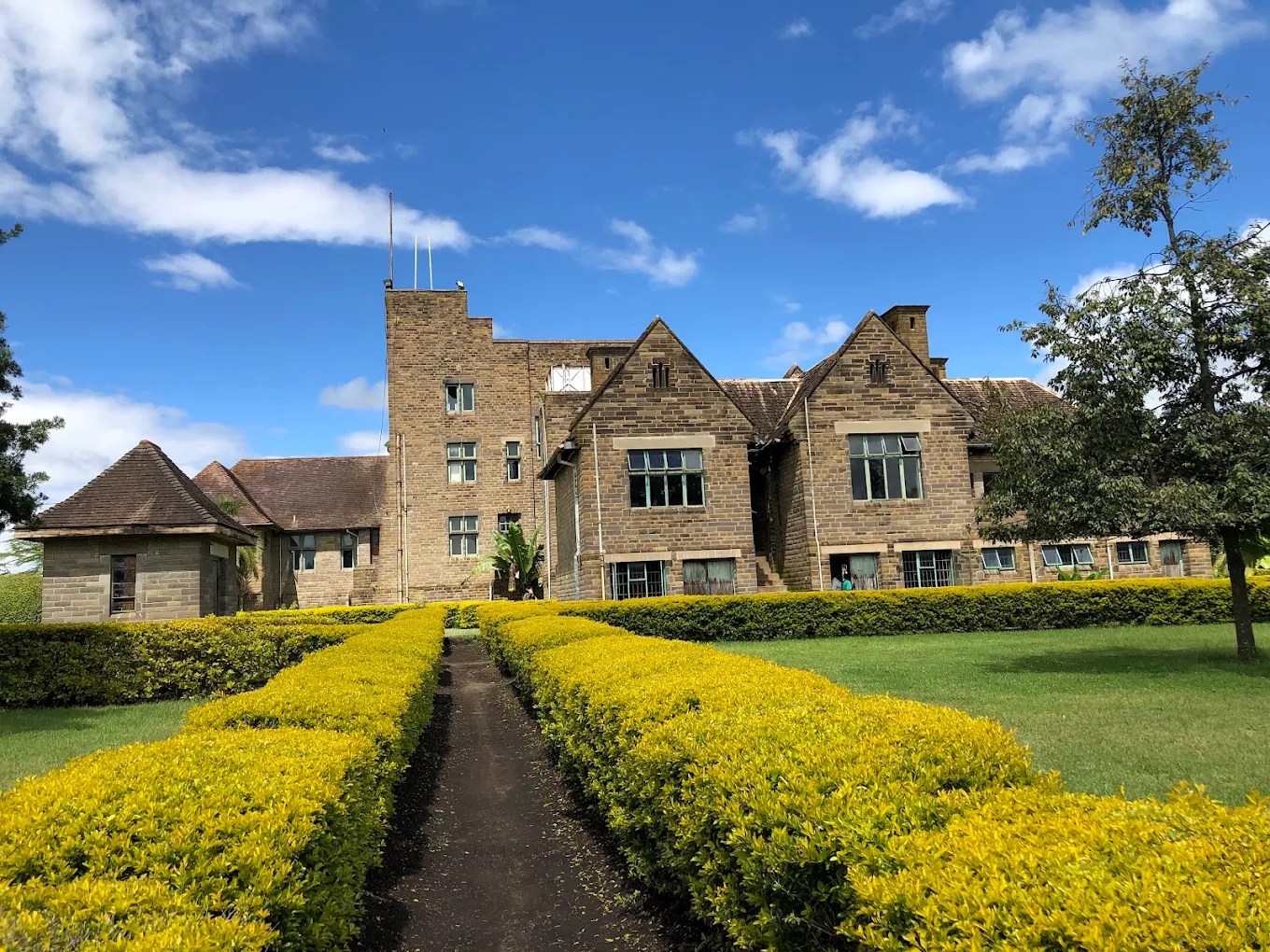
After your morning exploring the Rift Valley, head back towards Nakuru to visit Lord Egerton Castle.
Located in the Ngata area, this historic property is one of the more unusual attractions around Nakuru.
The castle is associated with Lord Maurice Egerton, whose ambitious building project became part of local history.
The property is particularly interesting because of its architecture, gardens and the stories surrounding its construction.
You can explore the grounds, admire the building and take photographs.
It’s also a nice place to enjoy a slower afternoon after two days of sightseeing and outdoor activities.
If you enjoy historical attractions, this is definitely worth including in your itinerary.
Evening: Enjoy Your Last Evening in Nakuru
After three days of exploring Nakuru, spend your final evening enjoying a relaxed dinner.
You could revisit one of your favorite restaurants, enjoy a traditional Kenyan meal or simply relax at your hotel.
If you’re driving back to Nairobi the following morning, use the evening to prepare for your journey.
Three days in Nakuru will give you a lovely introduction to the region, from its wildlife and volcanic landscapes to its fascinating history.
Where to Stay in Nakuru
Choosing the right accommodation can make your Nakuru trip much easier.
If you want to spend most of your time exploring the town, staying within Nakuru town is a convenient option.
You’ll have access to restaurants, shops, supermarkets and transport.
However, if your main reason for visiting is Lake Nakuru National Park, consider staying closer to the park or booking a lodge inside the conservation area.
Here are some accommodation options to consider:
- Sarova Lion Hill Game Lodge: A safari lodge inside Lake Nakuru National Park, ideal for travelers who want a wildlife-focused stay.
- The Cliff: A luxury tented camp offering a special safari accommodation experience.
- Lake Nakuru Lodge: An option for visitors who want to stay close to the park’s wildlife and scenery.
- Flamingo Hill Tented Camp: A safari-style accommodation option near the national park.
- Hotels in Nakuru town: Suitable for travelers looking for convenient access to town restaurants and other attractions.
I’d recommend comparing prices and checking availability before booking, particularly during weekends and holiday periods.
How to Get Around Nakuru
Getting around Nakuru is relatively straightforward, but your transport choice will depend on the places you want to visit.
Here are some options:
Car rental: Renting a car is one of the most convenient ways to explore Nakuru and nearby attractions. It gives you flexibility, especially when visiting places outside town.
Taxi and ride-hailing services: These can be useful for shorter journeys around Nakuru town. Availability may vary depending on your location and time.
Matatus: Public minibuses are a more affordable way to travel around town and to some nearby destinations. However, they may not be convenient for reaching every tourist attraction.
Organized tours: If you’re planning to visit Lake Nakuru National Park, you can book a safari with a tour operator who can arrange transport, park entry and a game drive.
For this particular itinerary, I’d recommend having a private vehicle or arranging transport in advance because some attractions are spread across different parts of Nakuru County.
What Is the Best Time to Visit Nakuru?
Nakuru can be visited throughout the year, but the best time depends on the experiences you’re interested in.
The drier months, particularly June to October and January to February, are generally popular for wildlife viewing and outdoor activities.
During these periods, roads and hiking trails may be easier to navigate, although conditions can still vary.
The rainy seasons usually occur around March to May and October to December. These months can bring beautiful green landscapes, but heavy rainfall may affect some roads and outdoor activities.
If you’re particularly interested in birdwatching, remember that bird populations and flamingo numbers at the Rift Valley lakes change throughout the year.
My recommendation is to check the weather forecast before your trip and plan your outdoor activities accordingly.
How Much Does a 3-Day Trip to Nakuru Cost?
The cost of spending three days in Nakuru depends on your accommodation, transport, food choices and the attractions you visit.
Here are some of the main expenses to include in your budget:
| Expense | What to Budget For |
|---|---|
| Transport | Bus, matatu, private car or car hire |
| Accommodation | Budget hotel, mid-range hotel or safari lodge |
| Food | Local restaurants, cafés and hotel meals |
| Park entry | Applicable Lake Nakuru National Park fees |
| Activities | Guided game drives, hiking and museum visits |
| Extras | Souvenirs, drinks and personal expenses |
Lake Nakuru National Park entry fees are an important expense to plan for. Rates depend on visitor category and may change, so check the Kenya Wildlife Service website before your visit.
You should also check entry charges for Menengai Forest and the museums before traveling.
My money-saving tip: If you’re traveling on a budget, stay in Nakuru town, eat at local restaurants and arrange transport in advance. You can still enjoy a wonderful trip without booking an expensive safari lodge.
Practical Tips for Visiting Nakuru
Before heading to Nakuru, here are a few things I’d recommend keeping in mind.
1. Start your days early. Some of the best experiences, especially wildlife viewing, are easier to enjoy during the morning.
2. Pack comfortable shoes. You’ll be walking around museums, viewpoints and outdoor attractions.
3. Carry a light jacket. Nakuru’s weather can be cool, especially in the mornings and evenings.
4. Bring a camera. There are plenty of beautiful landscapes and wildlife photography opportunities.
5. Book your accommodation early. This is particularly important if you’re visiting during school holidays or busy weekends.
6. Check park fees before visiting. Entry charges and visitor requirements can change.
7. Carry some cash. While many businesses accept digital payments, having some cash is useful for smaller purchases and transport.
8. Respect wildlife. Always follow the instructions of park rangers and guides. Never approach or feed wild animals.
9. Plan your transport. Some attractions are outside the town centre, so arranging transport beforehand will save time.
10. Don’t overpack your itinerary. Give yourself enough time to enjoy each attraction instead of trying to visit too many places in one day.
Is 3 Days Enough to Explore Nakuru?
Yes! Three days is a good amount of time to experience some of Nakuru’s most popular attractions.
You can spend your first day enjoying a wildlife safari at Lake Nakuru National Park, dedicate your second day to Menengai Crater and the town’s historical attractions, and use your final day to discover Lake Elementaita and the surrounding countryside.
Of course, Nakuru County has plenty more to offer if you have additional time.
You could extend your trip to explore Lake Naivasha, Hell’s Gate National Park or Lake Bogoria.
However, if you only have a long weekend available, three days will give you a memorable introduction to this beautiful part of Kenya.
Final Thoughts: Spending 3 Days in Nakuru
Nakuru is a fantastic destination for anyone looking for a short Kenyan getaway filled with nature, wildlife, history and beautiful scenery.
What makes it special is the variety of experiences available within a relatively small region. You can enjoy a morning safari, explore a volcanic crater, learn about prehistoric history and finish your trip beside a beautiful Rift Valley lake.
If you’re planning a trip around Kenya, I’d definitely recommend adding Nakuru to your list.
Three days might not be enough to see everything the county has to offer, but it’s certainly enough to fall in love with its landscapes and experiences.


