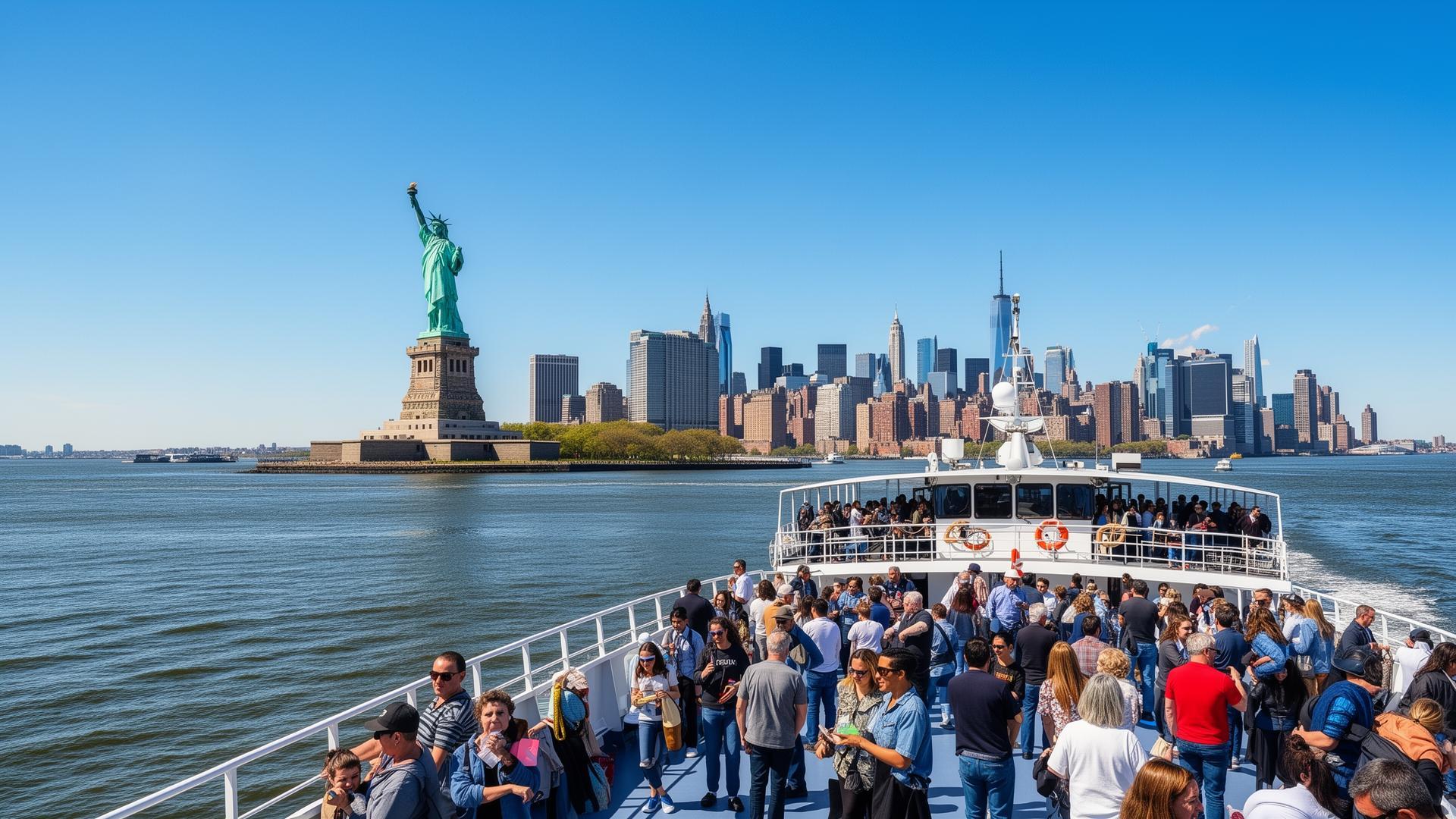
New York City is one of the most exciting places to visit in the United States. From the bright lights of Times Square to the peaceful paths of Central Park, the city offers something for almost every traveler. You can explore world-famous museums, enjoy incredible food, shop in unique neighborhoods, and discover places that feel completely different from one another.
However, if you are visiting New York for the first time, you may wonder where to avoid in New York as a tourist. Are there neighborhoods you should stay away from? Is Times Square worth visiting? Is it safe to walk around Manhattan at night? And which tourist traps could waste your money?
The good news is that you do not need to be afraid of exploring New York. Millions of visitors enjoy the city every year. The key is understanding your surroundings, choosing your accommodation carefully, and knowing which situations deserve extra caution.
This guide covers places and situations to approach carefully, common tourist traps, areas to research before booking a hotel, and practical safety tips to help you enjoy your New York vacation with confidence.
Important: New York is a large, diverse city, and safety can vary by block, time of day, and current conditions. No neighborhood should automatically be considered dangerous simply because of its name or reputation. Use the advice below as a guide to making informed travel decisions, not as a list of places that every tourist must avoid.
Where to Avoid in New York as a Tourist: 12 Safety Tips
Discover where to avoid in New York as a tourist, including common tourist traps, areas to research before booking, nighttime safety tips, and mistakes to avoid.
Quick Answer: Where Should Tourists Be Careful in New York?
If you are visiting New York City for the first time, pay particular attention to these places and situations:
- Times Square: Watch out for overpriced food, aggressive street vendors, and costumed characters demanding payment for photos.
- Crowded subway stations: Keep your belongings secure and stay alert around platform edges.
- Isolated streets late at night: Choose well-lit, busy routes and use a licensed taxi or rideshare when appropriate.
- Unfamiliar areas far from your planned activities: Research transport links, the immediate surroundings, and late-night travel options before booking accommodation.
- Parks after dark: Stick to well-used routes and follow local safety guidance.
- Unofficial ticket sellers: Buy attraction tickets from official websites or authorized sellers.
- Unlicensed taxis and unsolicited rides: Use the official taxi stand, a licensed cab, or a reputable rideshare service.
These precautions apply throughout the city, not just in one borough. In many cases, the biggest risks for visitors are theft, scams, unexpected expenses, and getting stranded somewhere unfamiliar rather than encountering serious violence.
1. Times Square: Watch Out for Tourist Traps

Times Square is one of the most famous places in New York City. Its enormous digital billboards, Broadway theaters, and lively streets make it an exciting stop for first-time visitors. You should not skip it simply because it attracts crowds.
However, Times Square is one of the places where tourists should be especially careful with their money and personal belongings.
What should you avoid in Times Square?
- Unplanned photos with costumed characters: Some performers expect tips and may demand more money than you anticipated. Agree on the price before taking a photo, or politely decline.
- Overpriced food and souvenirs: Compare prices before ordering or buying something. Walk a few blocks away from the busiest tourist areas to find more options.
- Aggressive street sellers: You do not have to stop, accept a gift, or listen to a sales pitch. A polite no and continuing to walk is enough.
- Distracted phone use: Crowds make it easier to lose track of your phone, wallet, or bag.
A 2026 investigation by New York City Council identified deceptive practices involving unauthorized ticket sellers, pedicabs, and unlicensed transportation operators in several tourist-heavy areas, including Midtown Manhattan.
My advice: Visit Times Square during the day and again after dark if you want to see the famous lights. Keep your belongings secure, check prices before agreeing to services, and enjoy the atmosphere without feeling pressured to spend money.
2. Isolated Streets Late at Night

New York has busy streets at almost every hour, but not every street remains lively throughout the night. Some blocks become quiet after offices close, restaurants shut, or subway traffic decreases.
If you are visiting New York for the first time, avoid taking unfamiliar shortcuts through deserted streets late at night, especially when you are alone and carrying luggage or expensive electronics.
How to choose safer walking routes
- Use well-lit streets with other pedestrians around.
- Follow familiar routes rather than cutting through isolated blocks.
- Check your directions before leaving a restaurant or attraction.
- Avoid walking while completely distracted by your phone.
- If a street makes you uncomfortable, turn toward a busier road or enter an open business.
These are practical precautions recommended in New York’s sightseeing and crime-prevention guidance.
Should you avoid walking at night in New York? Not necessarily. Many visitors walk between restaurants, theaters, hotels, and attractions after dark without problems. The important thing is to consider your route, surroundings, and comfort level rather than assuming every nighttime walk is unsafe.
3. Central Park After Dark: Be Selective About Where You Go

Central Park is one of the best places to visit in New York. You can enjoy scenic walks, photograph Bow Bridge, relax beside the water, and escape the busy city streets.
The park is large, however, and its quieter paths can feel very different from the crowded areas near popular entrances.
What should tourists avoid in Central Park?
Avoid wandering onto isolated trails late at night, particularly if you do not know the park well. Do not assume every path will be busy simply because nearby streets are full of people.
Instead, plan your visit during daylight hours if you want to explore the park extensively. Stick to familiar, well-used routes, keep track of your exit, and check current park rules and conditions.
If you are visiting during winter, remember that it gets dark earlier. Finish longer walks before nightfall or arrange your return route in advance.
Best approach: Enjoy Central Park in the morning or afternoon. You will have better light for photographs, more time to explore, and an easier time navigating its many paths.
4. Subway Platforms When You Are Distracted

The New York City subway is one of the most useful ways to explore the city. It connects Manhattan with Brooklyn, Queens, the Bronx, and other parts of the metropolitan area.
You do not need to avoid the subway. Instead, be careful in crowded stations, at platform edges, and when handling valuables.
The NYPD advises passengers to secure their belongings, remain aware of their surroundings, keep bags close, and stay behind the yellow platform safety line.
Subway mistakes to avoid
- Standing too close to the platform edge while waiting for a train.
- Leaving your phone or wallet exposed in a back pocket.
- Wearing headphones so loudly that you cannot hear announcements.
- Leaving a bag unattended, even for a short time.
- Getting onto a train without checking its direction or stopping pattern.
Before traveling, check your route and service updates. If you feel uncomfortable in a particular situation, move toward a busier area or seek assistance from transit staff.
Travel tip: If you are arriving from JFK Airport with several suitcases, think about how much luggage you can comfortably manage on stairs, escalators, and crowded trains. A taxi or rideshare may be worth the additional cost after a long flight.
5. Unfamiliar Neighborhoods You Have Not Researched

One of the biggest mistakes tourists make is assuming that every neighborhood will be equally convenient for sightseeing.
New York has five boroughs: Manhattan, Brooklyn, Queens, the Bronx, and Staten Island. Each contains many different neighborhoods, and conditions can vary considerably between nearby blocks.
You should not automatically avoid an entire borough or neighborhood because someone online describes it as unsafe. Instead, research the specific location where you plan to stay or visit.
What should you check before exploring an unfamiliar area?
- How close is the accommodation to a subway station or bus stop?
- Will you need to walk through quiet streets late at night?
- Are restaurants, grocery stores, and other useful services nearby?
- Is the route to your planned attractions straightforward?
- Do recent reviews mention noise, poor lighting, access problems, or other practical concerns?
For example, a hotel in Queens may offer better value than one in Midtown Manhattan, but the savings may not be worthwhile if reaching your attractions requires long journeys and inconvenient transfers.
The same applies to Brooklyn and the Bronx. Both contain residential communities, cultural attractions, restaurants, and places worth visiting. Research the particular area rather than judging it by its borough name.
Best advice: Before booking, look at the exact address on a map and check the walking route between the property and the nearest transit stop. This is especially important if you will be returning late at night.
6. Brownsville, East New York, and Parts of the South Bronx: Research the Exact Area
These areas sometimes appear in online discussions about where tourists should be careful in New York. However, it would be misleading to label entire neighborhoods as places visitors must avoid.
Brownsville and East New York are in Brooklyn, while the South Bronx is an area of the Bronx. Each includes residential communities and everyday local life, not just the crime-related stories that may appear in the news.
If your trip is focused on Times Square, Central Park, Broadway, or Lower Manhattan, you may have little reason to travel to these neighborhoods. That is primarily a question of itinerary and convenience, not a reason to fear everyone who lives there.
When should you take extra care?
- When visiting a specific location you have not researched.
- When planning to walk through unfamiliar streets late at night.
- When booking unusually cheap accommodation without checking its address.
- When attending an event and returning after public transport becomes less convenient.
Check current, location-specific information and plan your transport before visiting. If you have a particular attraction or local restaurant in mind, assess that destination and its route rather than making a decision based on the neighborhood’s reputation alone.
A useful rule: Do not travel somewhere simply because a social media post calls it a hidden gem, and do not avoid somewhere solely because a stranger calls it dangerous. Look for reliable, specific information.
7. Battery Park and Ferry Areas With Unofficial Ticket Sellers

Battery Park and the surrounding waterfront are excellent places to visit. You can enjoy views of New York Harbor and access the official Statue of Liberty and Ellis Island ferry experience.
The area is also worth approaching carefully when buying tickets or accepting transportation offers from strangers.
In its June 2026 investigation, New York City Council reported concerns involving unauthorized ferry-ticket vendors and unlicensed transportation operators in tourist areas, including Battery Park.
How to avoid ticket scams
- Buy Statue of Liberty and Ellis Island tickets through the official ferry operator.
- Check exactly which attractions and services your ticket includes.
- Be suspicious of people who claim that official tickets are unavailable and offer an alternative at a much higher price.
- Do not hand over your phone, payment card, or cash to an unfamiliar person who promises to arrange tickets.
- Confirm the departure point before leaving for the waterfront.
You do not need to avoid Battery Park itself. Simply purchase tickets in advance from a trusted source and ignore unsolicited offers that make you feel rushed.
8. Unlicensed Taxis and Unsolicited Rides at Airports

If you are arriving in New York for the first time, transportation scams are worth understanding before you leave the airport.
Someone may approach you and offer a ride, sometimes claiming to be a taxi driver. The problem is that you may not know whether the vehicle is properly licensed, how much the journey should cost, or what protections are available if something goes wrong.
What should tourists avoid?
Avoid accepting rides from strangers who approach you inside an airport terminal or outside an official pickup area. Do not assume a vehicle is legitimate simply because the driver says they work for a taxi company.
Instead, use the designated taxi stand, a properly licensed vehicle, or a reputable rideshare app with a confirmed driver and vehicle.
At JFK Airport, your journey to Manhattan may involve a yellow taxi, a rideshare, or public transportation using the AirTrain and subway or rail connections. Choose the option that fits your budget, luggage, arrival time, and destination.
If you are carrying several bags, traveling with children, or arriving after a long international flight, paying more for a direct ride may make the journey considerably easier.
9. Pedicabs With Unclear Prices

Pedicabs are bicycle-powered carriages that take visitors around popular tourist areas, including parts of Midtown and Central Park. They can be a fun way to see the city, but you should understand the price before getting in.
Some operators advertise an attractive ride and then present a surprisingly large bill. A short journey can become an expensive mistake if you do not understand whether the price is charged per minute, per passenger, or for the entire ride.
New York’s consumer-protection guidance advises tourists to check posted pedicab rates and understand the pricing rules before riding.
How to avoid overpaying
- Ask for the total expected price before the ride begins.
- Check the posted rate and how the time is measured.
- Confirm whether the quote covers everyone in your group.
- Do not get in if the operator will not explain the charges clearly.
You can enjoy a pedicab ride if you want the experience. Just remember that walking is often a more affordable way to explore nearby attractions.
10. Restaurants and Shops That Target Tourists

New York has excellent restaurants, bakeries, food trucks, markets, and independent shops. Unfortunately, some businesses in heavily visited areas charge premium prices for ordinary products or meals.
An expensive restaurant is not automatically a tourist trap, and a cheap restaurant is not automatically good value. The important thing is to understand what you are paying for.
Signs to look out for
- Menus without clear prices.
- Staff pressuring you to enter before you have looked at the menu.
- Unexpected charges that were not explained when you ordered.
- Souvenirs priced much higher than similar items elsewhere.
- Restaurants with many promotional signs but little information about the food or service.
Before sitting down, check the menu and look for recent customer reviews. If you are on a budget, explore neighborhood restaurants outside the busiest sightseeing areas.
You can still eat near Times Square or visit famous food destinations. Just compare your options instead of assuming that the most visible restaurant is the best choice.
11. Accommodation That Looks Too Cheap to Be True

Your accommodation can make or break a New York vacation. Choosing the wrong location may leave you spending more time and money on transportation than you expected.
Be particularly careful with unfamiliar short-term rental listings, unusually cheap deals, and properties that do not clearly explain their booking terms.
New York City warns visitors about illegal short-term rentals that can involve bait-and-switch tactics, unavailable hosts, missing amenities, and unsafe or unsanitary conditions.
How to avoid accommodation problems
- Book through a reputable platform or directly with a verified hotel.
- Check the exact property address before paying.
- Read recent reviews rather than relying only on attractive photographs.
- Confirm the cancellation policy and the total cost, including mandatory fees.
- Check whether the listing complies with New York City’s short-term rental rules.
- Avoid sending money outside the booking platform unless you have independently verified the arrangement and understand the terms.
Where should you stay instead?
You do not have to book the most expensive hotel in Manhattan to enjoy New York.

Midtown Manhattan
A convenient option for first-time visitors who want access to Broadway, Times Square, and many major attractions. Hotels can be expensive, and the streets are often crowded.

Long Island City, Queens
Worth considering if you want Manhattan skyline views and convenient subway access. Check the specific hotel and its walking route to the station before booking.

Upper West Side, Manhattan
A residential area with access to Central Park, museums, shops, and restaurants. It can suit families and travelers who prefer a neighborhood atmosphere.

Brooklyn Heights, Brooklyn
A neighborhood to consider for attractive residential streets and access to the Brooklyn waterfront. Check hotel availability and travel times to your main attractions.
These are alternatives to research, not guarantees of safety. The particular street, building, transport connections, and your travel plans all matter.
12. Overcrowded Attractions During Peak Times

Popular attractions are popular for a reason, but visiting them at the busiest times can make your trip less enjoyable.
Times Square, the Brooklyn Bridge, the Statue of Liberty ferry area, and popular parts of Central Park can become crowded during weekends, holidays, and peak tourist seasons.
Crowds are not inherently dangerous, but they can make it easier to lose track of your belongings, become separated from your group, or miss a turn while navigating unfamiliar streets.
How to avoid the worst crowds
- Visit popular attractions early in the morning when practical.
- Book timed-entry tickets where available.
- Allow extra time for security checks and queues.
- Keep your phone, wallet, and camera secure in crowded areas.
- Choose a less busy time for photographs if you want clear views.
You do not need to skip New York’s famous attractions. A little planning can help you enjoy them without feeling rushed or overwhelmed.
Is New York Safe for Tourists at Night?
Generally, New York can be enjoyed safely by tourists who take sensible precautions, but no large city is completely risk-free.
The experience depends on where you are, how late it is, how busy the streets are, and how familiar you are with your surroundings. Busy entertainment districts and residential streets can have very different atmospheres after dark.
Here are some practical guidelines.
| Situation | What to do |
|---|---|
| Walking back from Broadway | Plan a well-lit route and stay aware of your surroundings. |
| Returning to your hotel late | Check your transport options before leaving. |
| Using the subway at night | Stay alert, secure your belongings, and follow station safety guidance. |
| Exploring an unfamiliar neighborhood | Research the route and avoid isolated shortcuts. |
| Feeling uncomfortable on a street | Move toward a busier area or an open business. |
| Someone follows or threatens you | Seek help from staff or police and call 911 if you are in immediate danger. |
If you are traveling alone, you do not have to prove that you can walk everywhere. Taking a taxi or rideshare when you feel uncomfortable is a reasonable decision.
Common New York Tourist Mistakes to Avoid
Knowing where to avoid in New York as a tourist is only part of preparing for your trip. These common mistakes can also affect your budget, comfort, and overall experience.
1. Booking a hotel without checking the location
A cheap room may look appealing until you realize how long it takes to reach your planned attractions. Check the walking route to public transportation and estimate your daily travel time before booking.
2. Carrying all your money in one place
Keep your payment cards and cash secure. Consider carrying only what you need for the day and storing backup payment options separately.
3. Accepting something advertised as free without checking the terms
Street promotions, photo opportunities, and other unsolicited offers may come with an expected payment. Ask what something costs before accepting it.
4. Assuming every attraction is within walking distance
Manhattan looks compact on some maps, but distances can add up quickly. Wear comfortable shoes and group attractions by location.
5. Ignoring transport options before a late-night event
Check how you will get back to your hotel before going to a concert, sporting event, or Broadway show. This is especially important if you are staying outside Manhattan.
6. Leaving valuables unattended
Do not leave a phone on a café table, a purse hanging behind your chair, or luggage unattended in public. Keep your belongings close in busy areas.
7. Believing every dramatic social media warning
A viral video may describe a real incident, but it does not necessarily represent the experience of every visitor or the conditions throughout a neighborhood. Look for current, reliable information and specific details.
New York Tourist Safety Checklist
Use this simple checklist before heading out each day.
Before you explore
0 of 8Save your hotel address and directions on your phone.Check subway routes and service updates before leaving.Keep your phone, wallet, and travel documents secure.Use official ticket sellers and licensed transportation.Check prices before agreeing to street services or rides.Plan how you will return after evening activities.Keep a backup payment method separate from your main wallet.Know how to contact emergency services if needed.
Frequently Asked Questions About Where to Avoid in New York as a Tourist
What areas should tourists avoid in New York?
There is no single list of neighborhoods that every tourist must avoid. Visitors should pay attention to isolated streets late at night, research unfamiliar areas before exploring, and check accommodation locations carefully. Popular tourist areas can also have scams and overpriced services, so remain alert even in busy places.
Is Times Square safe for tourists?
Times Square is a major tourist destination, and many visitors explore it during the day and at night. Be aware of your surroundings, keep your belongings secure, and avoid unsolicited offers that involve unclear prices or pressure to pay.
Is it safe to walk around Manhattan at night?
Many Manhattan streets remain active in the evening, especially around restaurants, theaters, and entertainment districts. However, conditions vary by block and time. Choose well-lit routes, stay aware of your surroundings, and consider a licensed taxi or rideshare if you are uncomfortable walking.
Is the New York subway safe for tourists?
The subway is a widely used transportation system and an important part of visiting New York. Tourists should keep their belongings secure, stay behind platform safety lines, check train directions, and remain alert. Follow current transit guidance and seek help from staff if necessary.
Is Brooklyn safe for tourists?
Brooklyn is a large borough with many distinct neighborhoods, including popular visitor destinations such as Brooklyn Heights, DUMBO, and Williamsburg. Research your specific destination and route rather than judging the entire borough by its reputation.
Should tourists avoid the Bronx?
No. The Bronx is home to attractions, parks, restaurants, and residential communities. If you plan to visit, research the specific destination, arrange your transportation, and follow the same precautions you would use elsewhere in New York.
Is Queens a good place to stay in New York?
Queens can be a practical accommodation choice, especially in areas with convenient subway connections to Manhattan. Long Island City is one option to consider. Check the hotel’s exact location, route to public transportation, and journey time to the attractions you want to visit.
What is the biggest tourist scam in New York?
There is no single scam that affects every visitor. Common concerns include unclear prices for street performances, unauthorized ticket sellers, unlicensed rides, and misleading accommodation listings. Buying from official sources and confirming costs before agreeing to a service can help reduce the risk.
Is Central Park safe to visit?
Central Park is a major attraction enjoyed by visitors and locals. Plan your route, stay on familiar and well-used paths, and be more cautious in isolated areas after dark. Check current park conditions and rules before your visit.
What should I do if I feel unsafe in New York?
Move toward a busy public area, an open shop, or a staffed business. If someone is threatening you or you face an immediate emergency, call 911. For non-emergency city services and complaints, you can contact 311.
Conclusion: Enjoy New York Without Unnecessary Worry
Knowing where to avoid in New York as a tourist is less about creating a list of forbidden neighborhoods and more about making smart decisions throughout your trip.
Be careful with overpriced tourist services in Times Square, use official ticket sellers, choose licensed transportation, research your accommodation, and take extra care on unfamiliar streets late at night. When using the subway, keep your belongings secure and follow basic platform safety rules.
At the same time, do not let fear prevent you from experiencing the city. New York offers incredible museums, beautiful parks, world-famous attractions, diverse food, and interesting neighborhoods across all five boroughs.
Plan your routes, stay aware of your surroundings, and trust your judgment when something does not feel right. With a little preparation, you can spend less time worrying about where to avoid and more time enjoying everything New York has to offer.
Recommended next read: If you are planning your first trip, explore a guide to where to stay in New York City to help choose an accommodation area that fits your budget, itinerary, and transportation needs.
Leave a Reply